
Ask a B2B marketing team about podcasting, and you’ll usually get one of three reactions:
- “We don’t have the audience for it.”
- “Our last one didn’t go anywhere.”
- “We can’t prove it drives impact or pipeline.”
All three are fair concerns. But also, none of them are reasons not to do it.
Meanwhile, countless B2B brands like HubSpot, Gong, Shopify, and impact.com are running some of the most effective funnel plays in B2B marketing through podcasts.
Because let me be clear: B2B podcasting works. It just doesn’t work the way most brands do it. Too many B2B shows are a CMO interviewing their buddy, wrapped in a 90-second brand-safe intro nobody asked for, shared once on LinkedIn, and abandoned six episodes in. Too harsh? Sorry. But that’s not a podcasting problem. That’s a strategy problem.
This guide is for the marketer who’s been told “we should do a podcast” and wants to actually make one that drives brand impact, without sounding like a corporate PR video.
What is a B2B podcast?
A B2B podcast is a branded show produced by a company to reach other businesses, usually the decision-makers or practitioners inside them. Instead of selling products, you’re building trust, demonstrating expertise, and creating content your buyer wants to listen to.
Done well, a B2B podcast becomes a referable piece of content. Prospects send episodes to colleagues. Sales reps share clips with stalled deals. Guests post about their appearance on LinkedIn. That’s a compounding distribution that most content channels can’t reach.
The format also lets you say things your website can’t. A CEO interview on a landing page reads like corporate speak. The same conversation in a podcast sounds like an actual human with actual opinions and personality.
Why B2B brands should take podcasting seriously
B2B buyers are harder to reach than ever. They ignore ads, skip webinars, and delete cold emails without reading them (I know I’m guilty of this). But they still listen to podcasts. Because podcasts are something they choose to consume.
Here’s what a well-run B2B podcast gives you:
- Authority at scale: A 30-minute episode with a respected industry guest is a credibility marker you can’t fake. Guests lend you their trust; listeners notice.
- Access to executives: Executives agree to be on podcasts. They don’t agree to fill out your demo form. A podcast is a low-pressure way to get face time with the people your sales team would kill to speak with.
- Content you can repurpose: One 45-minute recording becomes a blog post, a newsletter, social clips, sales enablement snippets, collapsing the cost-per-asset.
- Account-level intelligence: Modern podcast analytics show you which companies and job functions are listening; that’s intent data you can hand to sales.
- Differentiation in a crowded channel: Your competitors are all producing the same ebooks and webinars. Very few are producing a genuinely good podcast.
Here’s the catch: podcasts reward consistency, strategy, and patience. If you publish inconsistently or treat it as a side project, you’ll get side-project results.
B2B vs. B2C podcasting: What’s actually different
Most podcasting advice is written for B2C, the true-crime shows, celebrity interview pods, and mass-market content pulling millions of downloads. If you apply that playbook to a B2B show, you’ll waste time chasing metrics that don’t matter (a.k.a downloads and subscriber counts).
Here’s how the two actually differ:
| Dimension | B2B Podcast | B2C Podcast |
|---|---|---|
| Audience size expectations | Hundreds to low thousands per episode (and that's fine) | Tens of thousands to millions |
| Content depth | Deep, specific, often technical or strategic | Broad, entertaining, accessible |
| Success metrics | ICP match rate, pipeline influence, and account engagement | Downloads, subscribers, ad revenue |
| Sales cycle alignment | Long cycles: podcast nurtures awareness over months | Immediate: impulse purchases, subscriptions |
| Host style | Industry practitioner, not a professional broadcaster | Entertainer, comedian, or personality-driven host |
| Distribution strategy | LinkedIn, email, sales enablement, guest networks | Apple/Spotify charts, paid ads, social virality |
The short version: B2C podcasts sell attention. B2B podcasts sell trust.
That said, B2B podcasts share more than people think. Both formats reward distinct hosts, strong production, clear value for the listener, and a consistent publishing cadence. Both die when they become a vanity project for an executive with no real strategy behind them. And both benefit from treating every episode like it has to earn the listener’s attention… because it does. The tactics differ, but the discipline is the same.
B2B podcasts that actually get it right
Plenty of B2B brands have launched podcasts. Most are forgettable. But here are a few that aren’t:
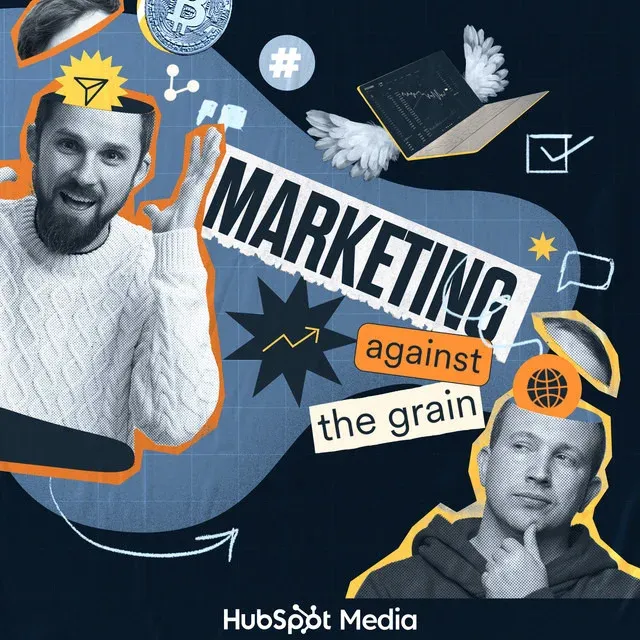
1. HubSpot’s Marketing Against the Grain
Hosted by HubSpot’s CMO, Kipp Bodnar, and SVP of Marketing, Kieran Flanagan, Marketing Against the Grain features two senior marketers having the conversation they’d have at a bar… if the bar was attended by 50,000 other marketers.
They cover what’s actually working at HubSpot and across the industry: AI, content strategy, growth tactics, hot takes on competitors. No fluff, no over-produced intros. It lands because Kipp and Kieran have clear expertise, and the proof is that they’re running one of the largest marketing brands.
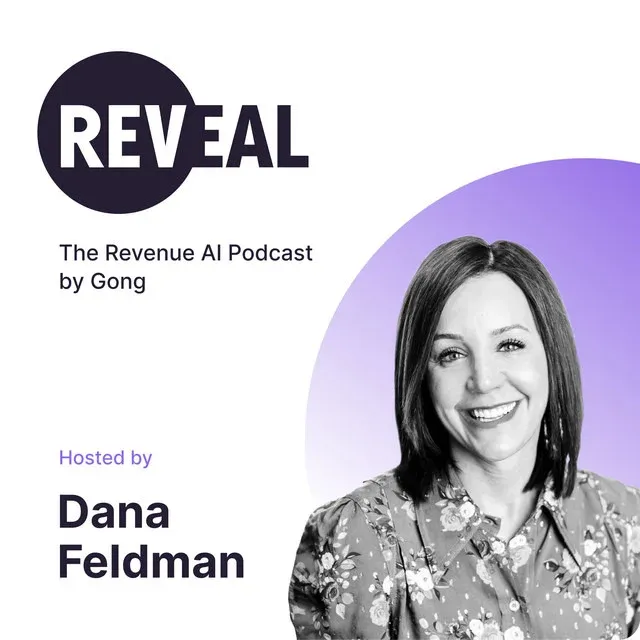
2. Gong’s Reveal: The Revenue AI Podcast
In Reveal: The Revenue AI Podcast, host Dana Feldman interviews CROs, VPs of Sales, and revenue leaders at major brands.
Gong sells to revenue teams, so their podcast talks directly to revenue teams, and most importantly, not about Gong. Episodes dig into how real leaders build pipelines, coach reps, and scale revenue orgs. Gong barely gets mentioned. That is exactly why it works: listeners trust they’re getting useful content, not a disguised sales pitch.
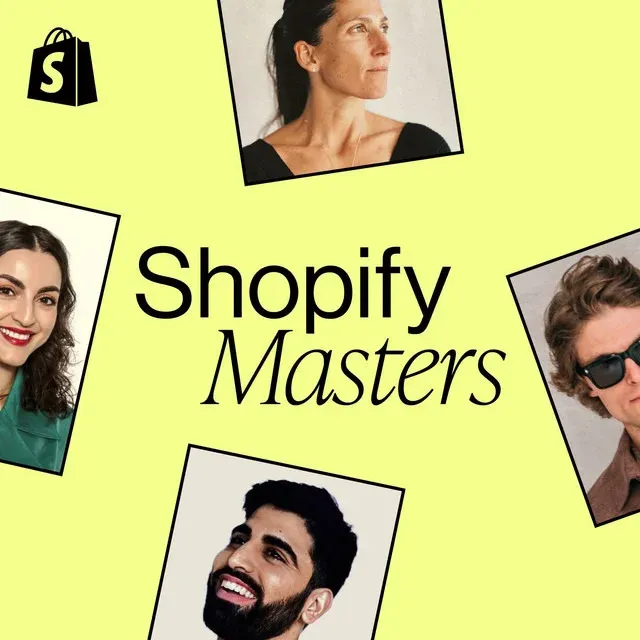
3. Shopify’s Shopify Masters
A long-running show featuring founders and e-commerce operators sharing how they built their businesses, Shopify Masters is loved by founders everywhere.
Shopify’s audience is entrepreneurs, so they made a podcast that teaches entrepreneurs how to build, with real founder stories, tactical playbooks, and specific numbers. It’s one of the clearest examples of a brand creating content that its exact ICP would pay to consume. Over 600 episodes in, it’s still publishing, which tells you everything about the commitment it takes and how successful it’s been.
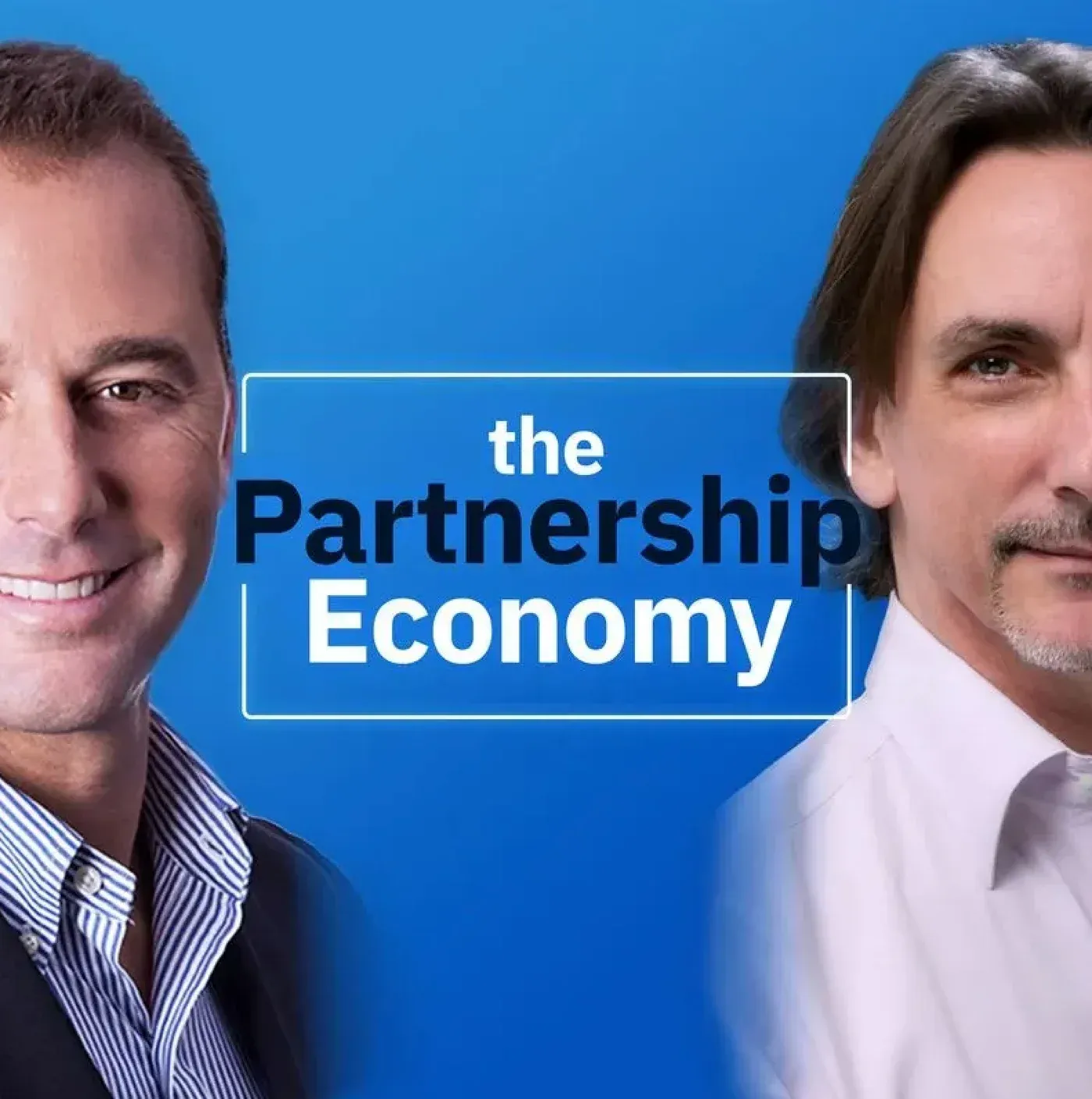
4. impact.com’s The Partnership Economy
The Partnership Economy is hosted by impact.com’s CEO, David Yovanno, and co-founder, Todd Crawford.
What I love about this podcast is how niche it is. The show isn’t trying to reach everyone; it’s going after the narrow but valuable audience of partnership and affiliate marketing leaders. With guests who come from brands like Ticketmaster, Walmart, and Canva, impact.com isn’t chasing downloads; they’re building the definitive podcast in a category they sell into. Textbook B2B play.
How to make your B2B podcast work
Here’s where most B2B podcasts go wrong and how to avoid it.
- Get obsessive about your niche: “A podcast about business” is not a niche. “A podcast about revenue operations at scaling SaaS companies” is. Broad podcasts compete with everything. Niche podcasts own their category.
- Develop a real listener persona: Not a demographic profile, but a specific picture of the person you’re making this for. What’s their job title? What are they struggling with at work? Every episode decision should come back to this person.
- Use guests strategically: Interviews double as a partnership channel. Guests share episodes with their network, which builds your audience. Don’t just book whoever’s available. Book the people your ICP already respects. Their credibility becomes yours by association.
- Measure what matters, not what’s easy: Downloads are the easiest number to report and the least useful for B2B brands. What you actually want is which companies are listening, what percentage match your ICP, and whether those accounts are showing up in your CRM. CoHost’s B2B Analytics gives you company-level listener data you can feed straight to sales.
Connect with your B2B audience through podcasts
The brands winning with B2B podcasts aren’t the ones with the biggest production budgets or most famous hosts. They’re the ones who picked a narrow audience, committed to a cadence, and kept going long enough to build an audience that actually converts.
You don’t need a studio. You don’t need a celebrity host. You need a niche, a point of view, a consistent schedule, and the discipline to treat it like a real marketing channel, not a side project someone remembers about every other quarter.
The bar in B2B podcasting is still low. Most branded shows are mediocre. That’s not discouraging; that’s your opening.
Ready to launch (or level up) your B2B podcast? Book a demo with CoHost to see how other B2B brands are tracking the podcast analytics that actually matter.